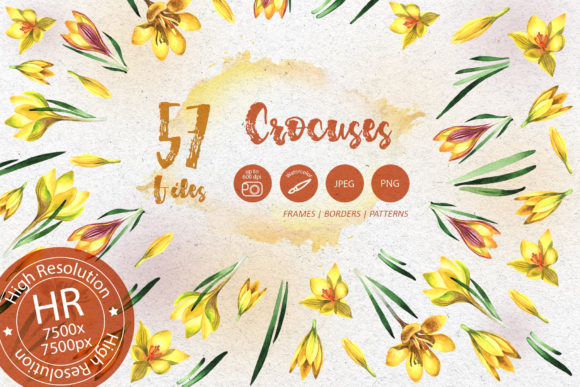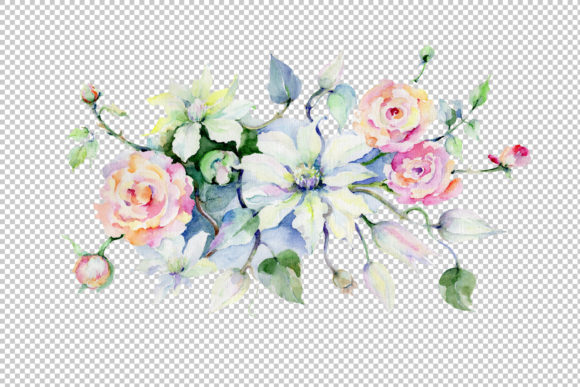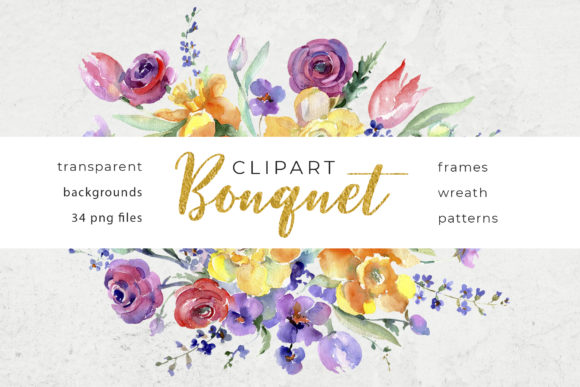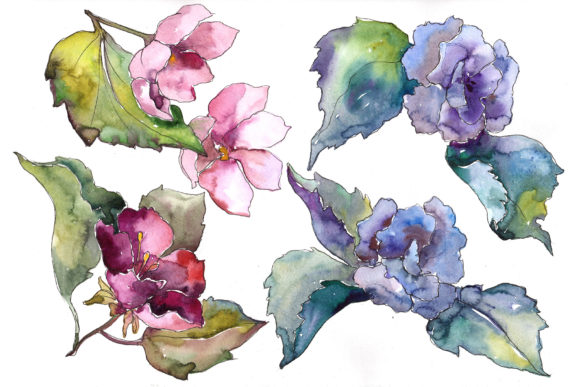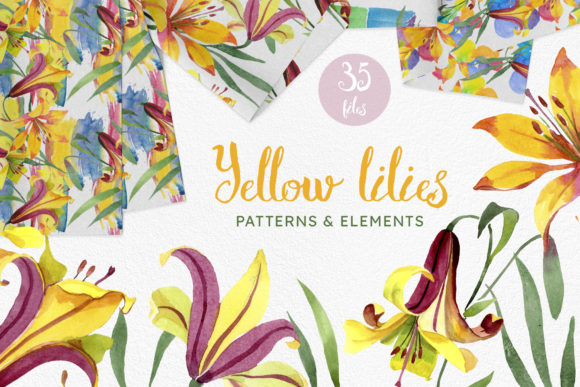
Yellow Lily Flowers Watercolor Illustrations
As a brand designer, I often look for graphic design assets that can elevate a small business’s visual identity without overwhelming it. Yellow Lily Flowers Watercolor is one such illustration that offers a soft, elegant aesthetic perfect for local business branding, product packaging, and promotional materials. Its delicate watercolor style suggests a handmade, organic, and feminine vibe—ideal for businesses looking to convey warmth, creativity, and authenticity.
First Impressions and Brand Personality
When I first saw Yellow Lily Flowers Watercolor, its gentle strokes and pastel hues immediately evoked a sense of calm and refinement. The illustration feels like a breath of fresh air in a world dominated by bold, digital graphics. It’s not just a decorative element—it’s a storytelling tool. This design asset could easily be the centerpiece of a brand identity for a boutique, a skincare line, or a floral shop, where the emphasis is on natural beauty and artisanal quality.
The softness of the yellow lilies makes them feel approachable and friendly, while the watercolor texture adds a touch of handcrafted charm. For a small business owner, this could mean a more inviting brand personality that resonates with customers who value authenticity over mass-produced aesthetics.
Real-World Applications for Local Business Design
Yellow Lily Flowers Watercolor isn’t just pretty—it’s functional. In a real local business project, I’ve used similar illustrations for logo design, packaging design, and social media graphics. This particular asset could serve as a strong visual anchor for a product label, a background for a thank-you card, or a decorative element on a menu or flyer.
For a bakery or coffee shop, it could be part of a seasonal promotion or a limited-edition product line. For a handmade soap or candle business, it could reinforce the idea of natural ingredients and care in creation. In a digital context, it could be used as a web design element, a Canva template, or a printable insert for a customer loyalty program.
One of the most valuable aspects of this design is its versatility. Whether you're working on a product mockup, a promotional ad, or a social media campaign, Yellow Lily Flowers Watercolor can be adapted to fit various formats and purposes.
Supporting Business Presentation and Brand Identity
When integrated into a brand identity, Yellow Lily Flowers Watercolor can help create a stronger first impression. A well-designed product label or packaging can make a significant difference in how customers perceive a brand. This illustration adds a layer of sophistication that can set a small business apart from competitors.
It also contributes to better product recognition. A consistent visual language across all marketing materials helps build brand awareness. When customers see the same soft, flowing lilies on a package, a website banner, or a social media post, they begin to associate those visuals with your brand.
Another benefit is improved visual hierarchy. The illustration can guide the eye toward key information, such as product names, pricing, or calls to action. It also supports a more polished look, which can increase customer trust and encourage repeat purchases.
Where Yellow Lily Flowers Watercolor Works Best
This design shines in areas where subtlety and elegance are valued. Product labels, for example, can use it as a subtle accent to add character without distracting from the main text. Packaging accents, like a sticker or a ribbon graphic, can enhance the overall look of a product without overwhelming it.
Hero graphics on a website or social media post can use Yellow Lily Flowers Watercolor to draw attention and create an emotional connection with the audience. Seasonal packaging, such as holiday-themed boxes or gift sets, can benefit from its soft, celebratory tone.
For a boutique or a home decor store, this illustration can be part of a larger editorial design that tells a story about the products being sold. It also works well in printable design elements, such as custom stickers or thank-you cards, that customers can take home and remember the brand by.
Where to Use It Carefully
While Yellow Lily Flowers Watercolor is versatile, it may not be the best choice for every design scenario. In formal corporate branding, where minimalism and clarity are priorities, this illustration might feel too decorative or whimsical. Similarly, it may not work well on very small labels, where details can get lost or appear cluttered.
In crowded product packaging or layouts with a lot of text, the illustration could compete with important information. It should also be avoided in areas where legal or ingredient information needs to be clearly visible. Low-contrast backgrounds, such as dark or patterned surfaces, may make the illustration less effective.
For luxury minimalist brands, where simplicity is key, this design could feel out of place. It’s important to consider how the illustration interacts with other design elements, especially when it comes to typography and color schemes.
Practical Designer Notes
Before finalizing any design, I always recommend testing the graphic design asset on real packaging mockups. This helps determine how it looks in different sizes and lighting conditions. Checking black and white usage is also essential, as some illustrations may lose their impact when converted to grayscale.
Previewing the design on small labels ensures that the details remain legible. Testing it with brand colors helps maintain consistency across all marketing materials. Comparing it with competitor packaging can highlight how unique your design is and where improvements can be made.
Print quality is another factor to consider. Some illustrations may not reproduce well in certain print processes, so it’s wise to review PNG transparency and SVG editability if needed. Testing the illustration beside different font styles—serif, sans serif, script, handwritten, or display fonts—can reveal how well it complements the overall design.
Finally, always confirm commercial licensing before using the asset for client work, business branding, or physical product sales. Many creative marketplaces offer commercial licenses, but it’s crucial to verify the terms to avoid any legal issues down the line.